
What Is the Nipah Virus? Should the USA Be Concerned?
The Nipah virus has recently returned to the news following a limited outbreak in West Bengal, India, drawing attention from global public health agencies, including those in the United States. While the reported cases are outside the USA, health officials are closely monitoring the situation to better understand what the virus is, how it spreads, and whether it poses any risk beyond the regions where it has historically appeared.
What Is the Nipah Virus?
Nipah virus (abbreviated NiV) is a serious zoonotic virus, meaning it normally exists in animals but can infect humans. It was first identified in 1998 during an outbreak among pig farmers in Malaysia and Singapore, where many people became ill and more than 100 died after infection. Since that time, periodic outbreaks have occurred mainly in Bangladesh and India.
The virus belongs to the Henipavirus genus in the Paramyxoviridae family of viruses. Fruit bats in the Pteropus genus are the natural hosts of Nipah virus, carrying it without severe disease themselves, but capable of transmitting it under certain conditions.
How Does Nipah Virus Spread?
Understanding transmission is vital to know the risk levels in 2026:
Animal to Human Transmission
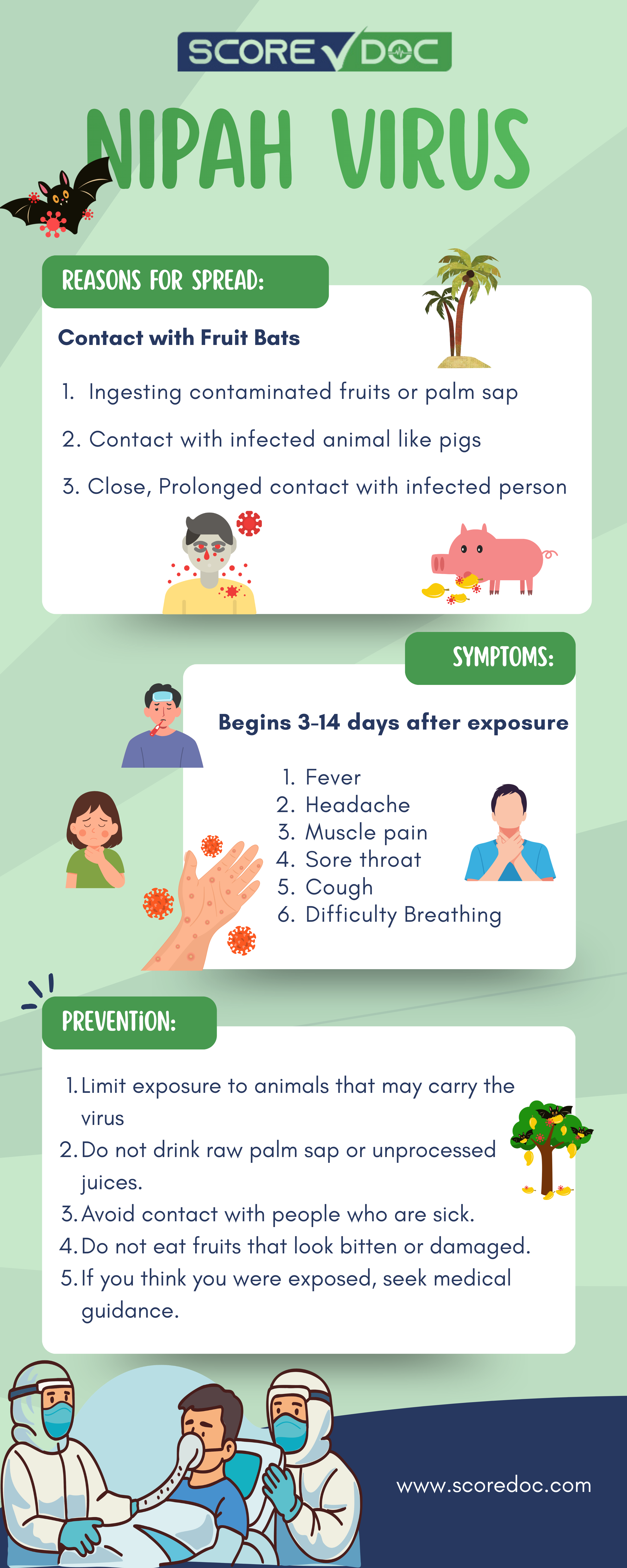
The original and most common form of transmission occurs when a human comes into direct contact with:
- Body fluids of infected fruit bats, such as saliva, urine, or feces
- Contaminated food, such as raw date palm sap that fruit bats have accessed
- Infected domestic animals, including pigs or other livestock that may have been exposed to bats in outbreak regions
These transmission routes have played a role in many of the outbreaks in South Asia.
Person to Person Transmission
Although less efficient than respiratory viruses like influenza or COVID-19, Nipah can spread from one person to another in close contact situations. This mainly occurs through direct contact with bodily fluids of an infected individual, for example through caregiving without appropriate protective measures or during late stages of illness in hospital settings.
This form of transmission has been documented in past outbreaks, which is why healthcare worker vigilance and infection control are crucial.
What Are the Symptoms of Nipah Virus Infection?
Symptoms of Nipah infection can range from mild to severe, and often begin in a way that resembles many viral illnesses, which can make early detection difficult.
Initial signs of infection typically appear within four to fourteen days after exposure and may include:
- Fever
- Headache
- Muscle pain
- Sore throat
- Cough
- Difficulty breathing
As the infection progresses, some people may develop encephalitis, a dangerous inflammation of the brain, leading to disorientation, seizures, and coma in severe cases.
How Deadly Is Nipah Virus?
One of the defining concerns with Nipah virus is its high fatality rate compared with many other infectious diseases. According to data reviewed by public health agencies, fatality rates in outbreaks have ranged from approximately 40 percent up to 75 percent or higher depending on the strain involved and the local healthcare response.
This means that in past outbreaks where people were confirmed to be infected, between 40 and 75 out of every 100 people infected have died. These figures reflect historical data and may vary slightly across individual outbreaks.
The virus’s ability to result in severe brain inflammation and respiratory distress contributes to this high fatality level.
Recent reported cases have again demonstrated how rapidly neurological complications such as encephalitis can develop in severe infections, reinforcing why early detection and supportive hospital care are critical.
Is There a Vaccine or Treatment?
As of early 2026, there is no approved vaccine or specific antiviral treatment for Nipah virus available to the public. Medical care for those infected focuses on supportive treatment, which includes managing symptoms and helping the patient’s immune system respond while clinicians monitor for complications.
Researchers around the world are actively working on vaccine candidates and targeted antivirals, with some promising experimental leads, but these are still under study rather than widely used prevention or treatment options.
What Is Happening Now in 2026?
In late January and early February 2026, the World Health Organization reported two laboratory-confirmed cases of Nipah virus infection in the Indian state of West Bengal. Both cases involved healthcare workers at the same hospital. One was reported to be in critical condition and the other improving under care at the time of the report.
Indian health authorities conducted contact tracing and tested dozens of people who had potential exposure, but no expanded community spread has been identified so far. The situation is under surveillance, and public health teams remain vigilant.
Following the confirmed cases, regional authorities issued precautionary travel advisories and increased airport health screening and surveillance measures in affected areas.
Recent international media coverage has highlighted the seriousness of the current outbreak. In early 2026, local authorities confirmed that a woman in India died after developing severe brain swelling linked to Nipah infection. The case prompted additional public health alerts and precautionary travel advisories in parts of the region.
What Do Public Health Authorities Say About Risk?
Both the U.S. Centers for Disease Control and Prevention and the World Health Organization continue to classify risk to most people outside affected regions as low as long as there is no widespread transmission. They continue to monitor the situation carefully, especially in areas with known animal reservoirs and recent human cases.
Health experts stress the importance of early detection, effective infection control in clinical settings, and careful public health surveillance, rather than alarm or panic.
How to Protect Yourself and Your Community
Here are practical ways to stay safe based on current understanding of Nipah virus transmission and symptoms:
1. Practice Good Hygiene
Basic hygiene is always a strong first line of defense against many infections:
- Wash hands thoroughly with soap and water
- Avoid touching your face with unclean hands
- Cover your mouth and nose when coughing or sneezing
2. Avoid Known Risk Exposures
If you are in or traveling to regions where NiV is present in animal populations or where outbreaks have occurred:
- Do not consume raw date palm sap or other foods that could be contaminated by bat secretions
- Avoid close contact with sick animals such as fruit bats or domestic animals that may have been exposed to them
3. Seek Prompt Medical Attention for Symptoms
If you develop flu-like symptoms along with a relevant exposure history, seek medical care early and tell healthcare providers about any travel or contact with potential sources. Early communication helps clinicians consider the right tests and isolation precautions.
4. Follow Official Guidance
At all times, follow recommendations from credible public health sources such as the CDC, WHO, and local health departments. They provide the most up-to-date information tailored to your region.
Understanding Threats Without Overreaction
The word virus can evoke fear, especially following recent global experiences with infectious diseases. However, it is important to keep Nipah virus in perspective:
- Outbreaks tend to be limited geographically and are usually contained through contact tracing and clinical containment measures.
- Human-to-human spread is possible but uncommon, requiring very close contact rather than casual exposure.
- As of early 2026, there is no evidence of sustained global transmission.
When Good Awareness Helps Better Decisions
Understanding emerging health threats like the Nipah virus is part of being an informed citizen and community member. Accurate knowledge allows you to take sensible precautions without unnecessary worry.
In a broader sense, this same principle applies to how we evaluate health-related information and choices in everyday life. For instance, when choosing a healthcare provider, searching through fragmented reviews may be confusing, especially if you want to weigh real patient experiences and outcomes.
That is why tools that aggregate and interpret review data across sources can be helpful. They provide a clearer picture that supports informed decisions without overwhelming you with scattered information. Platforms that bring together verified feedback, contextualize experiences, and highlight meaningful patterns help you make choices based on real insight rather than guesswork.
Key Takeaways
- Nipah virus is a rare but serious zoonotic infection that has caused localized outbreaks, primarily in parts of South Asia, not widespread global transmission.
- The virus spreads mainly through contact with infected animals, contaminated food sources, or close contact with infected individuals, not through casual or airborne exposure.
- Symptoms often begin like common viral illnesses but can progress to severe neurological or respiratory complications, which is why early medical attention matters.
- There is currently no approved vaccine or specific treatment, making prevention, awareness, and public health surveillance the most effective tools.
- Global health agencies including the CDC and WHO are actively monitoring the situation, and the overall risk to the general public in the United States remains low as of 2026.
- Staying informed through credible sources and making calm, informed healthcare decisions helps reduce fear and improves preparedness during emerging health events.
FAQs
1. Is the Nipah virus currently present in the United States?
No. As of early 2026, there are no confirmed cases of Nipah virus in the United States. Recent cases have been limited to parts of South Asia. U.S. health agencies, including the CDC, continue to monitor the situation, and the current risk to the general U.S. population remains low.
2. Could Nipah virus spread globally like COVID-19?
The risk is considered very low. Nipah virus does not spread easily through casual or airborne contact. Most cases involve close contact with infected animals or direct exposure to bodily fluids, making widespread global transmission unlikely.
3. What should I do if I think I have symptoms of Nipah virus?
Seek medical care promptly if you develop symptoms such as fever, severe headache, confusion, or breathing difficulty and have had recent travel or exposure risk. Inform healthcare providers about your travel history and potential exposures so they can take appropriate precautions.
4. Is there a vaccine or treatment for Nipah virus?
There is no approved vaccine or specific antiviral treatment for Nipah virus at this time. Care focuses on managing symptoms and complications. Research into vaccines and treatments is ongoing but still in development.
5. How can I protect myself without becoming overly worried?
Stay informed through trusted sources like the CDC and WHO, practice good hygiene, and follow food and travel safety guidance when visiting affected regions. Avoid misinformation and remember that awareness and preparedness are more effective than fear.
Sources: Centers for Disease Control and Prevention (CDC), World Health Organization (WHO), ABC News, and National Centre for Disease Control (NCDC).

Take ScoreDoc With You
Looking for a doctor while on the go?
Download the ScoreDoc app and check reviews anytime, anywhere.